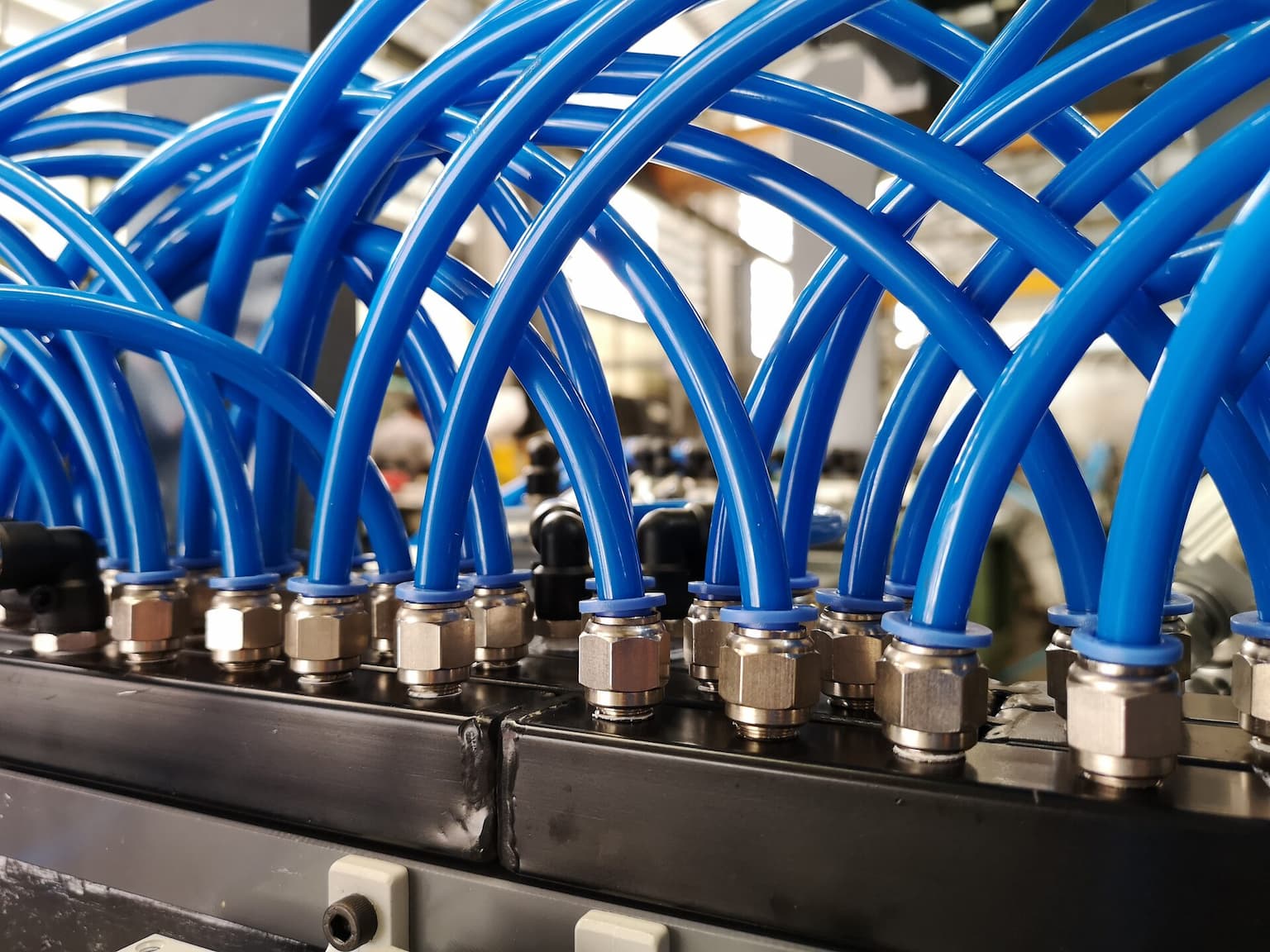
Some refer to pneumatics as the technology of compressed air. Yet it also could be considered a type of automation control.
Engineers regularly apply pneumatics in medical, packaging, oilfield, food & beverage, material handling, entertainment, and even robotics applications.
Pressurized gas or air (either dry or lubricated) actuates end effectors that perform the work. Examples of end effectors are application-specific grippers, air springs, vacuum, and the common cylinder.
Most pneumatic systems operate at a pressure of about 100 psi or less. By comparison, hydraulic systems operated in the 3,000 to 5000 psi meaning that pneumatics are normally in smaller load applications.
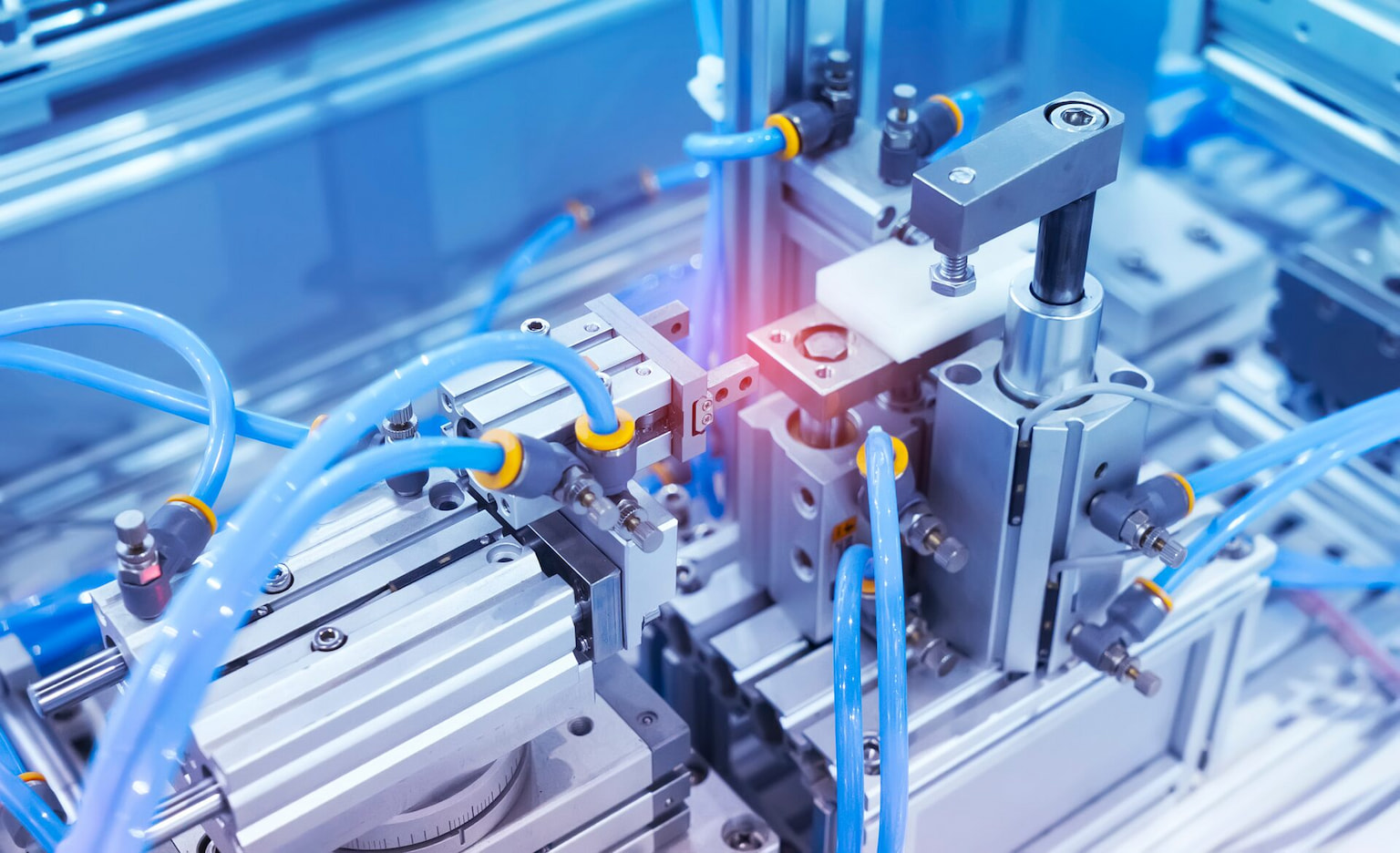
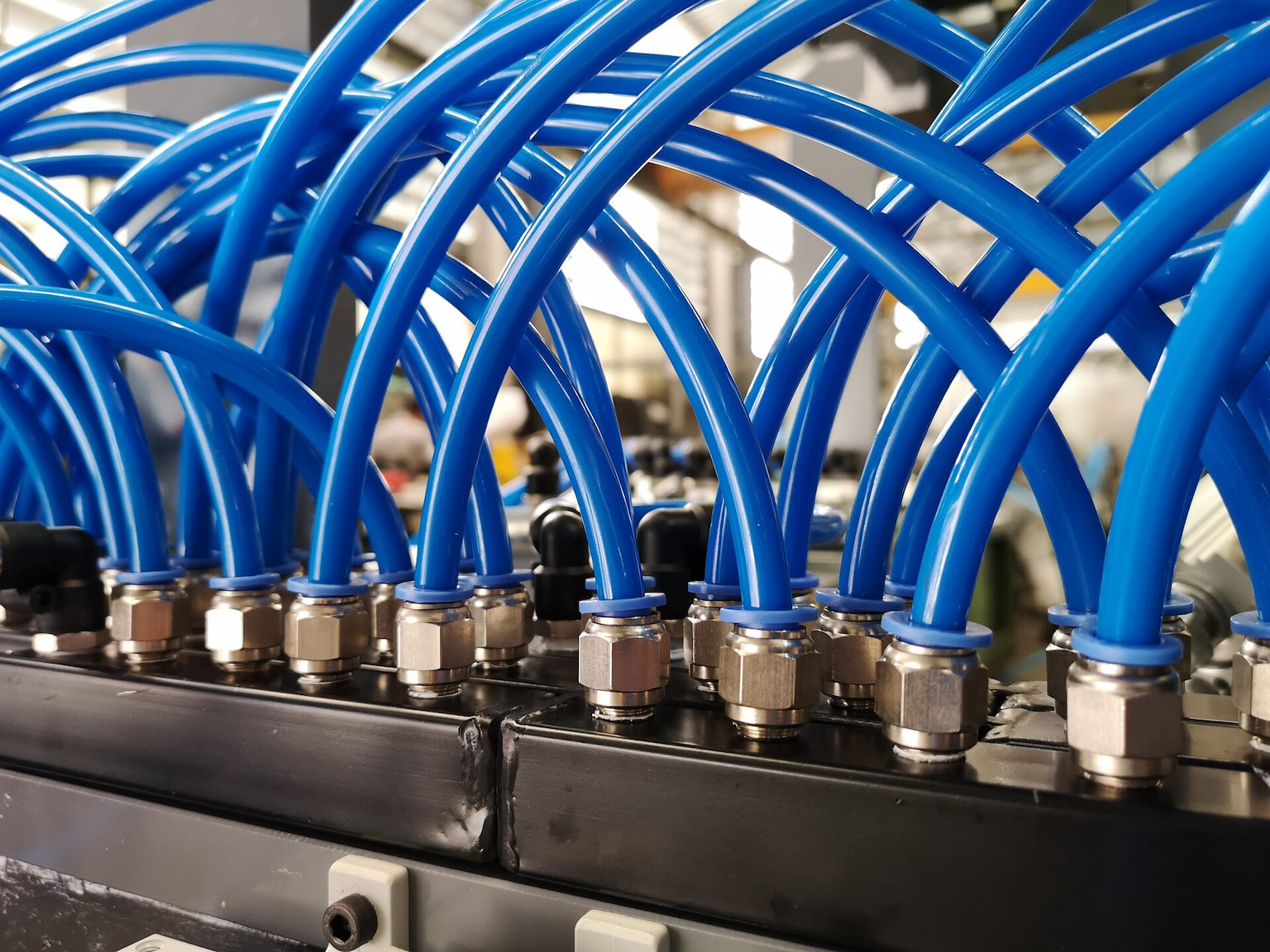
Some refer to pneumatics as the technology of compressed air. Yet it also could be considered a type of automation control.
Engineers regularly apply pneumatics in medical, packaging, oilfield, food & beverage, material handling, entertainment, and even robotics applications.
Pressurized gas or air (either dry or lubricated) actuates end effectors that perform the work. Examples of end effectors are application-specific grippers, air springs, vacuum, and the common cylinder.
Most pneumatic systems operate at a pressure of about 100 psi or less. By comparison, hydraulic systems operated in the 3,000 to 5000 psi meaning that pneumatics are normally in smaller load applications.
Is pneumatics technology right for your process?
Pneumatics is not a very well understood field. Many people do not know what pneumatics are, or how and why they are used. Most of the time the first thought anyone has in regard to pneumatics is the air tools you can buy for your home compressor. Sometimes the easiest way to explain what pneumatics do is to compare the technology to hydraulics.
Generally, there is a better understanding of what hydraulics are and where you might have seen them used. If you know what hydraulics do, it is easier to explain what pneumatics do. But don’t fret if you don’t know either one. We will be glad to help you get a basic understanding and maybe shed some light on the pneumatics world.
How pneumatics are used
Pneumatics use compressed air or gases as their source of energy, whereas hydraulics use fluids that are under high pressure to do the work. The most common use for pneumatics technology is operating a cylinder to do some sort of job. That job could be something as simple as pushing a box, grabbing an object, lifting and lowering an object, or as complicated as your mind and the technology will allow.
Advantages and disadvantages of using pneumatics
The main advantage for utilizing pneumatics versus hydraulics is that pneumatics are less expensive to operate, less expensive to purchase, and safer to use due to the lower operating pressures. They can be used in environments that require cleanliness and can be more easily used near food processes. Pneumatics can be less complicated to design into systems, smaller, lighter, more compact and easier to maintain.
So why would anyone use hydraulics if pneumatics are so great? That’s a great question, and there are disadvantages with using pneumatics compared to hydraulics. Hydraulics have a much higher workforce capability than pneumatics. A hydraulic actuator, of equivalent size to a pneumatic actuator, can generate more force.
Pneumatic technology has come a long way and engineers have developed unique ways of getting more from a pneumatic actuator than anyone previously thought possible. The future for pneumatics is very bright and we look forward to the advances they will continue to make.
Reducing Contaminants in Pneumatic Air Lines
Contaminants are a common problem pneumatic air lines. Scaling, water, and oil all contribute to poor performance in the pneumatics system. Pneumatic systems with compressors, primarily reciprocating compressors, cause the most issues. How do you protect downstream cylinders and valves from contaminant damage?
Mainline Filtration
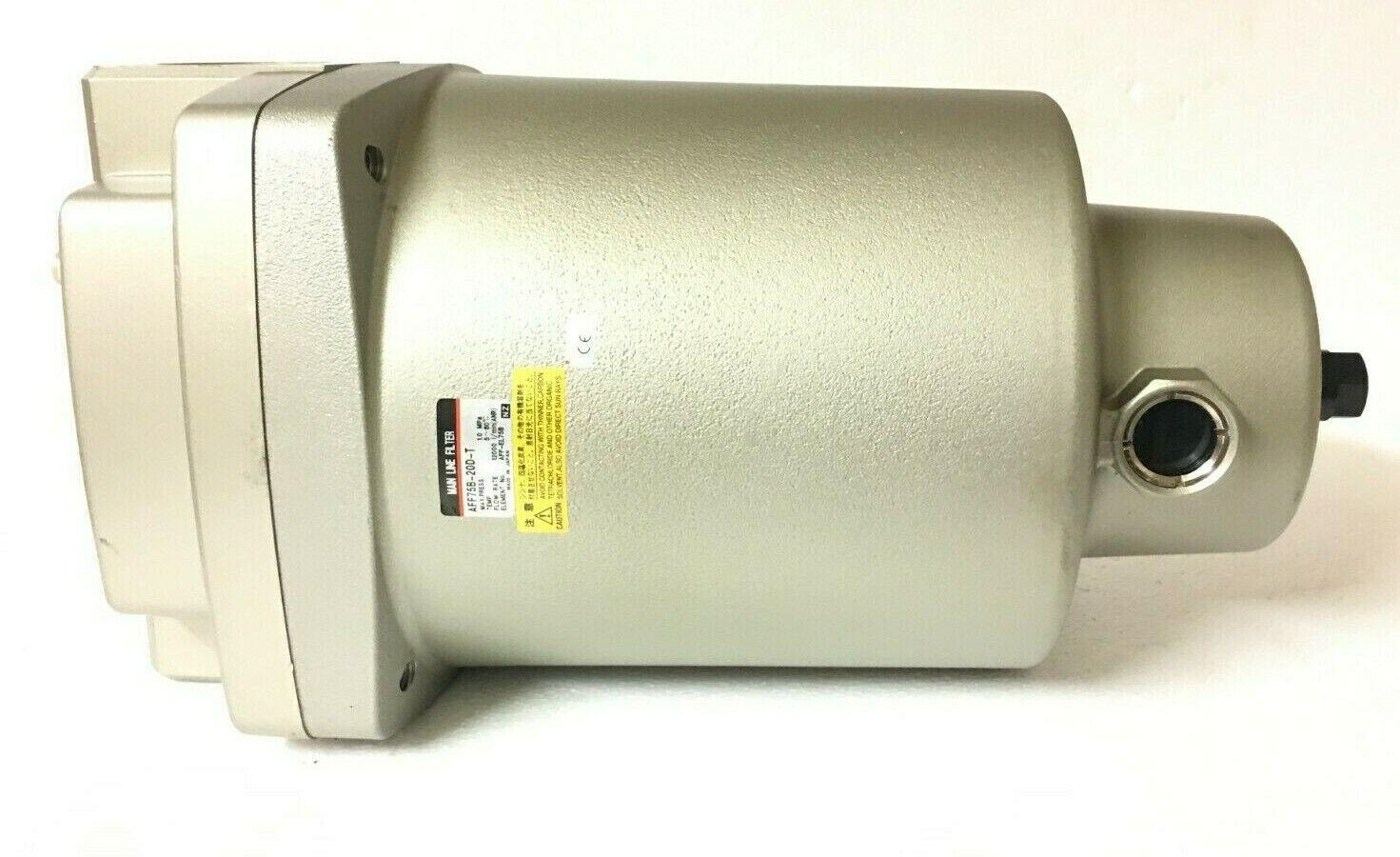
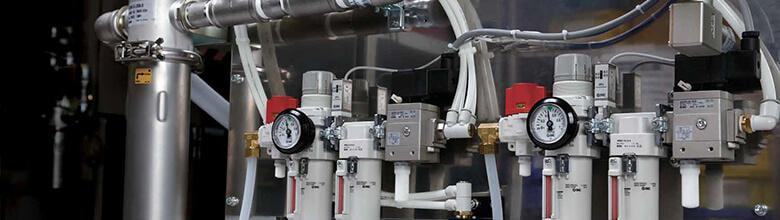
The mainline filter is on the output side of the compressor and the whole purpose of it is to filter oil and water out of your system. The filter’s port size is usually anywhere between one and three inches in diameter. SMC’s mainline filter filters contaminants down to between 3 and 5 microns in size. Many other brands on the market average about 20 micron filtration. For example, the average is about 20 micron filtration. SMC’s basic mainline filtration is anywhere between three and five microns.
Filter-Regulator Combo
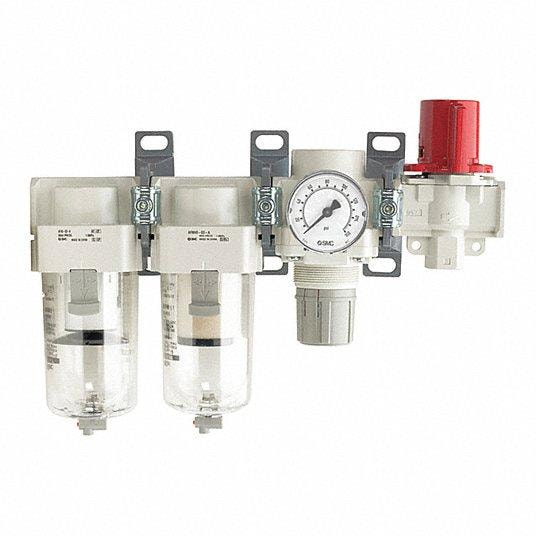
Without a filter in place, oil and water will travel down your line and contaminate your system. But let’s say your reciprocating compressor is putting air out at 160 degrees Fahrenheit, and the moisture is in vapor form traveling down the line. As the vapor cools and hits the dew point it turns to liquid. Your valves, your rubber seal valves, and your cylinders are noticing this water. Rubber seals expand when they get wet. Because of this, it takes more air, and a higher PSI, to actually shift that spool or to move that cylinder. A filter-regulator combo can solve this problem.
How to Specify a Pneumatic Cylinder
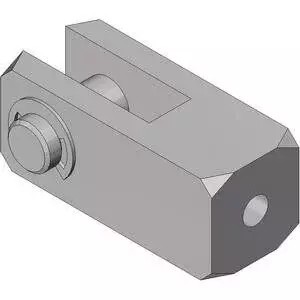
Specifying a pneumatic cylinder isn’t as hard as it might seem. There are a lot of tidbits of information that goes into each and every cylinder, such as mounting. Is it a clevis, a double clevis, is it a tie rod, is it an aluminum body, etc. There are a lot of different variations and there are specials.
There are customized cylinders and many of our customers run into this all the time. The OEM of the machine will specify a cylinder, and it might be something as simple as a different type of metal in the rod. It might be food grade oil in grease inside the cylinder. So, often you can obtain a functional replacement without having to go through the pains of developing every single last piece of information that might be about that cylinder.
The Cylinder
Is it double acting? Does it have two ports where air goes in one and out the other? Or is it single acting, meaning it’s going to have a spring in the back end which is actually going to push it back in?
Operating Environment
Is it harsh conditions – such as is this out in a concrete plant. Will it be washed down frequently, or is it around food? There are a lot of different changes in a cylinder that can happen based on the environment.
Force
How heavy is the object you are pushing? How difficult is it? How long does it take to actually reach the full stroke? Etc. All of that is very important to us.
Operating Speed
How quickly or often within a time period do you need to cycle through the cylinder?
Do you have a project for us?
Our expertise is accessible. Talk to us and make sure you're headed in the right direction. Please fill in your contact and project information and an Innovative IDM representative will be in touch with you shortly.
Customer Service Hotline
Contact our LEGENDARY customer service team for parts quotes, information on your industrial electronic repair needs, or for emergency breakdown service. Our phone lines are available 24/7.
Phone
(877) 906-2100